
In-Home Respiratory Care in Michigan | All Americans Home Health (Copy)
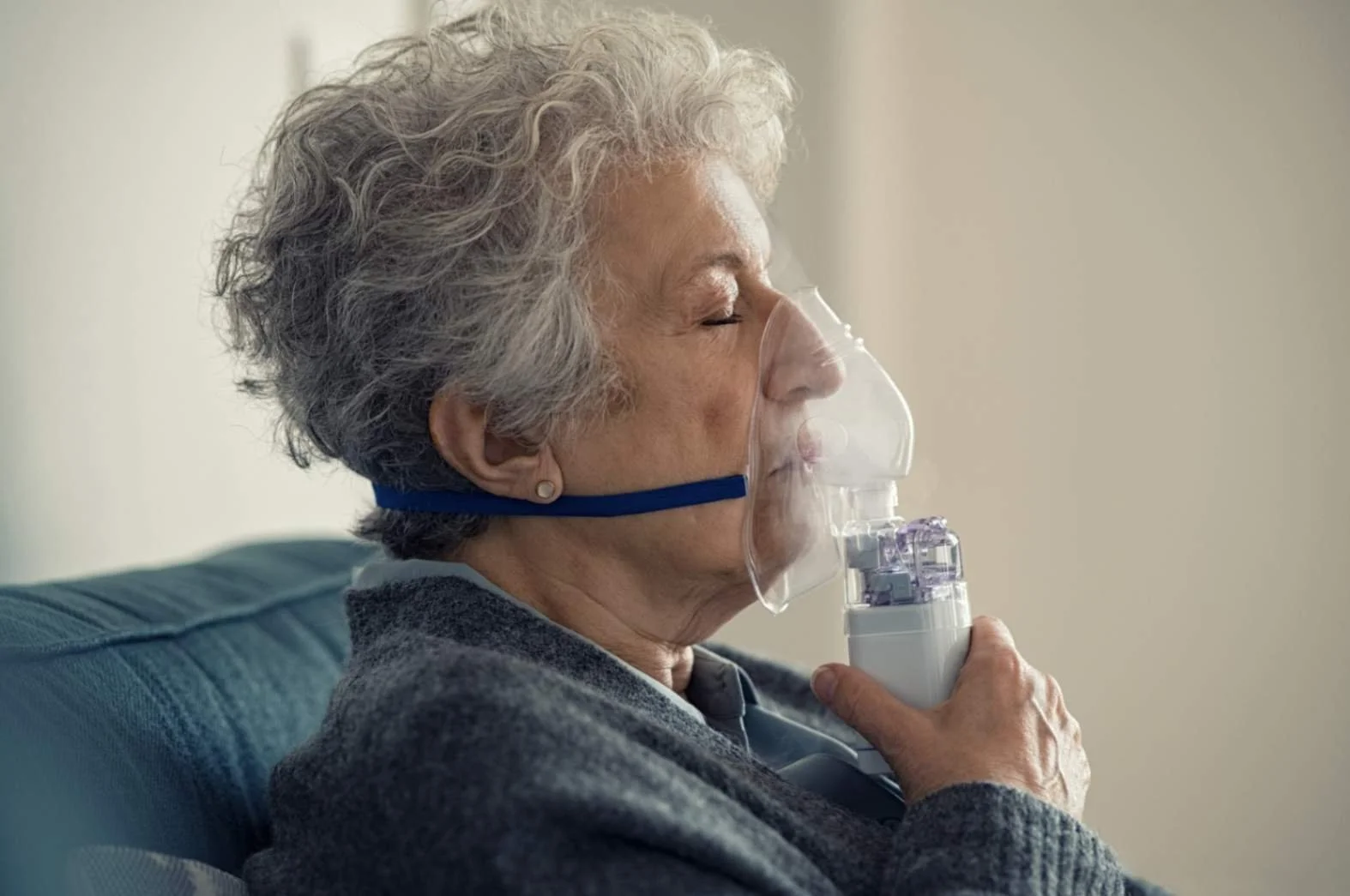
Some mornings, even the smallest tasks can feel like climbing a mountain.
Getting dressed takes longer than it used to. Walking from the bedroom to the kitchen leaves you short of breath. A trip to the doctor's office requires planning, transportation, and sometimes an entire afternoon to recover.
If you are living with chronic obstructive pulmonary disease (COPD), a serious respiratory illness, or multiple chronic medical conditions, these challenges may sound familiar.
For family members, the worries can be just as exhausting.
Is Mom using her oxygen correctly? What happens if Dad's breathing gets worse? Is someone monitoring his condition? Can he receive professional care without leaving home so often?
These questions are more than everyday concerns. They are about safety, independence, and quality of life.
For qualifying patients, home health care in Michigan can bring skilled nursing, respiratory therapy, rehabilitation, and other medically necessary services into the home.
At All Americans Home Health & Hospice Care (AAHHCMI), respiratory therapy is part of a multidisciplinary approach to supporting patients with complex clinical needs.
The goal is simple: provide appropriate skilled care in the comfort of home while helping patients and families better manage ongoing medical needs.
When Breathing Problems Begin to Change Everyday Life
Imagine a 72-year-old Michigan resident named Robert.
Robert has always enjoyed gardening, family dinners, and morning walks. But since being diagnosed with COPD, his daily routine has changed.
He now stops to catch his breath after walking across the house. Some days, fatigue makes ordinary activities difficult. His daughter notices that he has become hesitant to leave home.
After a recent hospitalization, his physician determines that he needs additional skilled monitoring and education.
Robert's story is illustrative, but the challenges it describes are familiar to many people living with chronic respiratory conditions.
COPD can cause symptoms such as shortness of breath, coughing, wheezing, and fatigue. Although there is currently no cure, medical treatment and appropriate lifestyle interventions can help patients manage symptoms and maintain activity.
For someone like Robert, home health care may provide an opportunity to receive qualifying skilled services without the added burden of traveling for every aspect of care.
COPD Home Care in Michigan: What Support May Be Available?
Living with COPD does not automatically mean someone needs home health services.
However, patients with qualifying skilled needs who meet home health eligibility requirements may benefit from professional services delivered in the home.
Depending on the patient's condition and individualized care plan, COPD home care in Michigan may involve:
Respiratory assessments and appropriate monitoring
Skilled nursing services
Oxygen-related care and education when prescribed
Medication administration or instruction when clinically appropriate
Mobility rehabilitation
Patient and family caregiver education
Coordination with physicians and other healthcare professionals
The purpose is not to replace a patient's primary care physician or pulmonologist.
Instead, home health professionals work within the prescribed care plan, helping deliver appropriate services and communicate relevant clinical information.
For patients who find leaving home physically demanding, this approach can make certain aspects of ongoing care more accessible.
Respiratory Therapy at Home in Michigan: A Specialized Service Worth Understanding
Not every home health agency advertises respiratory therapy as a dedicated service.
AAHHCMI identifies respiratory therapy as part of its home health care offerings, including services related to pulmonary and cardiovascular conditions.
Its respiratory program describes lung-function monitoring, oxygen administration, mechanical ventilator management, and medication administration in coordination with physicians.
For patients searching for respiratory therapy at home in Michigan, these capabilities are important to discuss when evaluating whether an agency can address specific clinical needs.
Lung-function monitoring and respiratory assessment
For patients with complex respiratory conditions, appropriate clinical monitoring can help healthcare professionals evaluate the patient's condition and identify concerns requiring medical attention.
The specific assessments depend on the patient's diagnosis, clinical needs, available equipment, and physician orders.
Oxygen administration and education
Some people with COPD or other respiratory illnesses require supplemental oxygen because their blood oxygen levels are too low.
Home-based services may include prescribed oxygen-related care and education about safe equipment use.
Oxygen therapy must be used according to the treating clinician's instructions. Patients should not independently change prescribed oxygen settings.
Mechanical ventilator management
Some patients require advanced respiratory support involving mechanical ventilation.
AAHHCMI lists mechanical ventilator management among its respiratory services.
However, whether home-based ventilator care is appropriate depends on the patient's condition, equipment, available clinical resources, caregiver preparation, and treatment plan.
Medication administration and respiratory education
Managing a chronic respiratory illness may involve multiple medications and treatment routines.
Appropriate skilled services may include medication administration, treatment-related education, and guidance on following the prescribed plan.
Patients and caregivers should understand what medications have been ordered, how they should be used, and when to contact the treating healthcare professional.
What Medical Research Says About Managing COPD at Home
COPD management involves more than treating symptoms when they become severe.
It often includes medication management, patient education, physical activity when appropriate, smoking cessation when applicable, and ongoing communication with healthcare professionals.
The National Heart, Lung, and Blood Institute (NHLBI), part of the National Heart, Lung, and Blood Institute, explains that COPD treatment may include medications, oxygen therapy, and pulmonary rehabilitation depending on the patient's condition.
The NHLBI also emphasizes the importance of correct inhaler technique. Different inhalers require different methods, and improper use may prevent patients from receiving the intended dose.
For patients and caregivers, understanding these treatment principles can make conversations with healthcare professionals more productive.
Recommended reading: NIH: COPD Treatment, Oxygen Therapy, and Pulmonary Rehabilitation.
Skilled Nursing Care at Home in Michigan for Complex Chronic Conditions
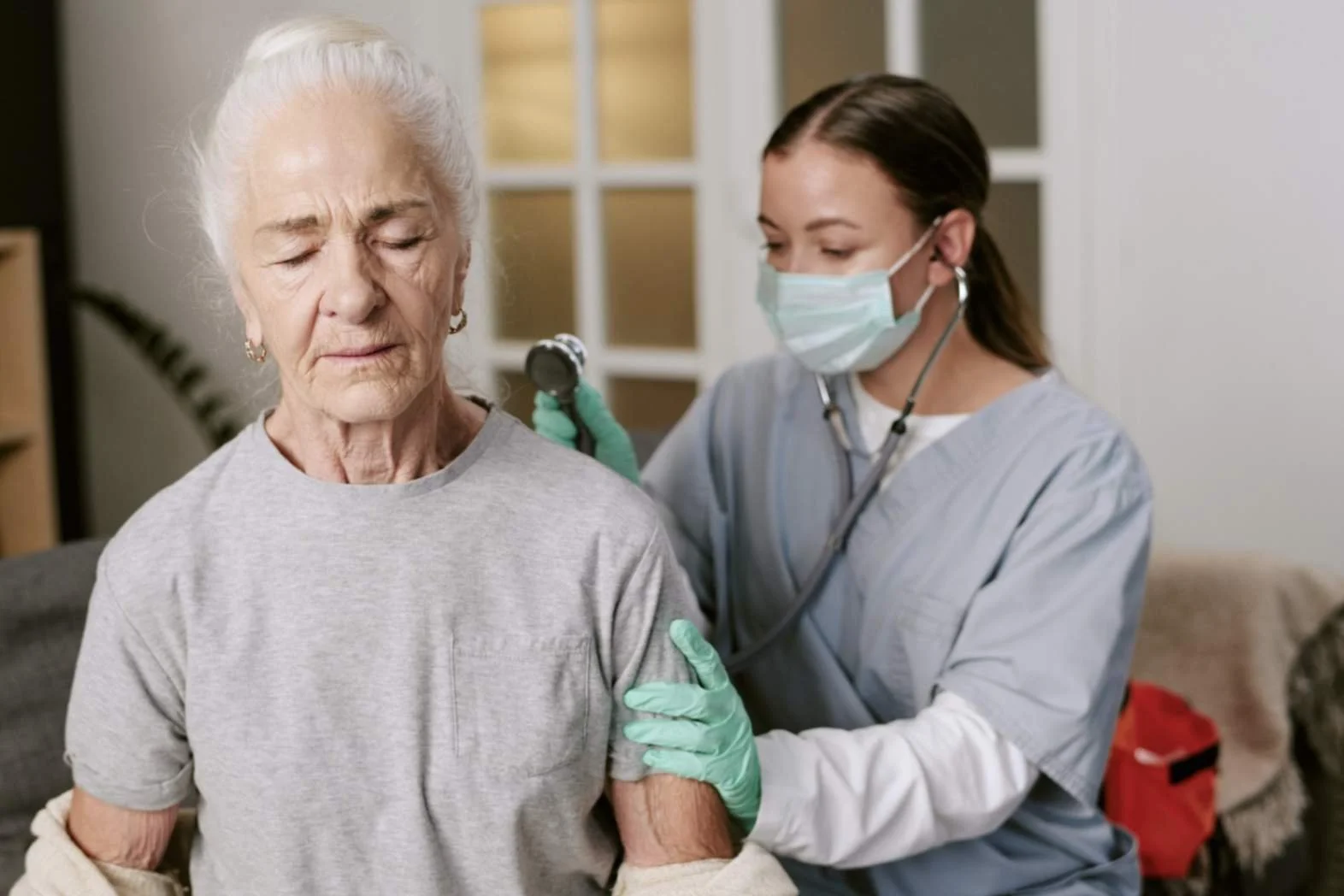
Respiratory illness often exists alongside other medical concerns.
A patient with COPD may also be managing heart disease, diabetes, limited mobility, or another chronic condition.
These overlapping needs can make medical care more complicated.
For qualifying patients, skilled nursing care at home in Michigan may help address needs involving nursing assessment, medication management, wound care, monitoring of serious illness, and patient or caregiver education.
For example, a patient recovering from a respiratory-related hospitalization may need skilled nursing while also receiving therapy for reduced mobility.
Another patient may require nursing care related to a separate chronic condition.
The important consideration is whether the services are medically necessary and appropriate under the patient's individualized plan of care.
In-Home Nursing Care in Saginaw, MI: Why Local Access Matters
For someone managing a serious chronic condition, attending medical appointments can require considerable effort.
Transportation arrangements, mobility limitations, oxygen equipment, and fatigue can make even short trips challenging.
Families searching for in-home nursing care in Saginaw, MI may therefore be looking for an agency that can provide appropriate clinical services closer to where the patient lives.
AAHHCMI is based in Saginaw, Michigan, and offers skilled nursing and respiratory therapy as part of its home health services.
For patients within its service area, the agency can be contacted to discuss clinical needs, eligibility, coverage, and the availability of appropriate services.
Having a local point of contact can also help families understand the referral process and the information needed before care can begin.
Home Health Care for Chronic Conditions: Why One Care Plan Matters
Managing a complex chronic condition often involves several healthcare professionals.
A patient may see a pulmonologist for respiratory symptoms, a primary care physician for chronic disease management, and another specialist for cardiovascular concerns.
At home, the same patient may require nursing care, respiratory services, rehabilitation, or caregiver education.
This is why home health care for chronic conditions benefits from coordination.
AAHHCMI offers multiple disciplines, including skilled nursing, respiratory therapy, physical therapy, occupational therapy, speech therapy, medical social work, and home health aides.
For appropriate patients, these services can contribute to a coordinated care plan rather than addressing each medical need in isolation.
The goal is to support the patient's prescribed treatment plan while helping the patient and family understand the care being provided.
Can Rehabilitation Help People Living With COPD?
One of the less obvious challenges of chronic respiratory illness is physical deconditioning.
When breathing becomes difficult, patients may reduce their activity.
Over time, inactivity can contribute to weakness and reduced endurance, making everyday activities even more demanding.
Appropriate rehabilitation may help some patients improve functional ability and manage activity limitations.
Pulmonary rehabilitation is a specialized, supervised program that combines exercise training, education, and breathing strategies for people with certain lung conditions.
The NHLBI explains that pulmonary rehabilitation may help patients improve strength, manage symptoms, and participate more comfortably in everyday activities.
A standard home physical therapy service is not automatically equivalent to a comprehensive pulmonary rehabilitation program. Patients should discuss which rehabilitation approach is appropriate with their treating clinician.
Recommended reading: NIH: Pulmonary Rehabilitation — A Path to Breathing Better.
Looking for a Home Respiratory Therapist in Michigan? Ask These Questions
If you are searching for a home respiratory therapist in Michigan, it is important to understand whether an agency's services match your medical needs.
Before selecting a provider, ask:
Does the agency offer respiratory therapy for my particular diagnosis?
Are oxygen-related services available when prescribed?
Can the agency evaluate patients requiring complex respiratory support?
How does the team communicate with my physician or pulmonologist?
Are skilled nursing and rehabilitation services available if needed?
Does the agency serve my location?
What insurance coverage, physician orders, and eligibility requirements apply?
These questions can help patients and families identify a provider whose clinical services align with the prescribed care plan.
Does Medicare Cover Home Health Care for COPD and Chronic Conditions?
Medicare may cover qualifying home health services when a patient meets the applicable eligibility requirements.
Under Original Medicare, covered home health services may include intermittent skilled nursing, physical therapy, speech-language pathology, continued occupational therapy, medical social services, and certain home health aide services.
Eligibility generally requires the patient to be under the care of an authorized healthcare practitioner, meet homebound requirements, and have a qualifying need for skilled services under an appropriate plan of care.
A COPD diagnosis alone does not establish eligibility.
Respiratory therapy is also not automatically covered as a separate Medicare home health benefit simply because a patient has COPD. Coverage depends on the particular service, medical necessity, and applicable payment rules.
Patients should verify benefits and potential out-of-pocket expenses before services begin.
What Family Caregivers Should Know About Respiratory Care at Home
When a loved one has a chronic respiratory illness, family members often become involved in daily care.
They may help organize medications, arrange appointments, monitor changes in symptoms, or communicate concerns to healthcare professionals.
But family members should not be expected to perform complex clinical tasks without appropriate training and support.
Depending on the patient's needs, professional education may help caregivers understand prescribed treatments, oxygen safety, medication instructions, and warning signs.
Families should also know when emergency medical attention is necessary.
Sudden severe breathing difficulty, new confusion, blue or gray lips, or other signs of a medical emergency require immediate medical evaluation. Call 911 rather than waiting for a routine home health visit.
Home health care is not a substitute for emergency services.
Specialized Respiratory Care Can Be Part of a More Connected Care Experience
For someone living with COPD or another chronic condition, quality of life often comes down to everyday moments.
Having enough energy to enjoy breakfast with family.
Feeling more confident about a prescribed treatment routine.
Understanding whom to call when medical questions arise.
Being able to receive appropriate skilled care without unnecessary trips away from home.
AAHHCMI's multidisciplinary model brings together respiratory therapy, skilled nursing, and rehabilitation services for patients whose needs and eligibility make home-based care appropriate.
It does not promise a cure for chronic respiratory disease or guarantee that hospitalization can be prevented.
Instead, it offers a pathway for coordinating appropriate clinical services around the patient's individual needs and physician-directed care plan.
How to Begin Home Health and Respiratory Care With AAHHCMI
If you or a loved one may need skilled respiratory or nursing services at home, the process generally begins with a medical evaluation and referral.
Step 1: Physician evaluation and referral
Discuss the patient's diagnosis, respiratory needs, and whether skilled home health care is appropriate.
Step 2: Eligibility and insurance verification
Confirm service-area coverage, clinical eligibility, required documentation, and applicable benefits.
Step 3: Clinical intake and care planning
Review the patient's condition, physician orders, and appropriate skilled services.
Step 4: Coordinated care at home
Begin approved services according to the individualized plan of care and clinical needs.
Get Skilled Respiratory and Home Health Care Support in Michigan
Managing a Chronic Condition Is Challenging. Finding the Right Support Shouldn't Be.
Whether you are living with COPD, managing a complex respiratory condition, or helping a loved one who needs skilled medical attention, understanding your home health options is an important first step.
All Americans Home Health & Hospice Care (AAHHCMI) provides respiratory therapy, skilled nursing, rehabilitation, and other home health services for qualifying Michigan patients.
Contact All Americans Home Health & Hospice Care team to discuss your clinical needs, available services, insurance eligibility, and how to begin the referral process.